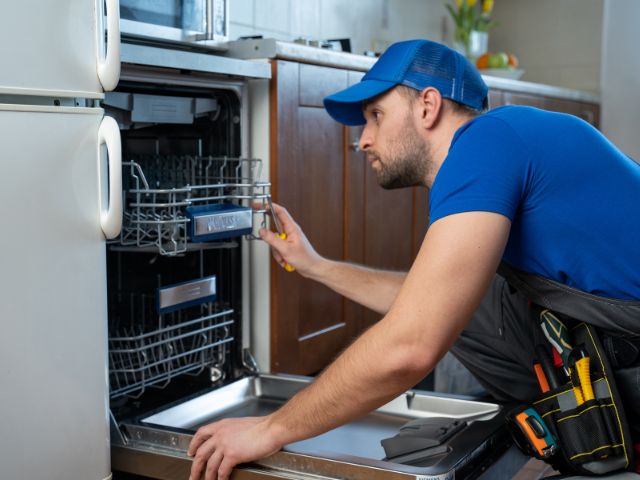
 Find Viking Repair Pro Near You


Viking appliances are the heart of sophisticated kitchens—reliable, elegant, and engineered for top-tier performance. Whether you’re dealing with a cooking range, a refrigerator, or a built-in wine cooler, quality matters when it’s time for a replacement part. One wrong move—choosing a subpar or incompatible component—can result in underperformance, growing wear, or even voiding your appliance’s warranty.
In this comprehensive guide, we’ll dive deep into why choosing the right replacement part is crucial, show you how to make smart decisions, and arm you with expert advice to keep your Viking appliance running smoother, longer—and with the same premium feel it was built to deliver.
Why Choosing the Right Parts Matters
Think of your Viking appliance as a high-performance engine—meticulously designed, calibrated, and balanced. Every part, from knobs to sensors, plays a specific role in delivering flawless cooking, efficient cooling, and uncompromised safety. When you opt for a wrong match, even if it fits, the consequences can cascade:
- Reduced performance or efficiency
- Rapid part failure and recurring issues
- Voided warranties or denied repair coverage
- Unnecessary repair costs or system damage
Investing time and money in proper replacements today protects your long-term satisfaction and your appliance investment.
OEM vs. Aftermarket: Best Choice for Viking Appliances
OEM Parts (Original Equipment Manufacturer):
- Built to precise Viking specifications
- Surge-tested for safety, performance, and fit
- Validate and preserve warranty coverage
- Often backed by brand support
Aftermarket Parts:
- Cheaper up front, but often generic in design
- May not align with internal calibrations or sensors
- Higher risk of reduced efficiency or recurrent issues
- Can void warranty if not explicitly approved
Expert Tip: When replacing parts—especially core components like control panels, valves, or seals—opt for OEM Viking replacements only.
Know Your Appliance Inside and Out
Choosing the right part starts with accurate identification. Viking’s product line includes ranges, cooktops, refrigerators, dishwashers, and ventilation systems—each with multiple series, generations, and optional upgrades.
- Locate your model and serial number. This is usually found inside the unit, in the documentation, or on a label near the door frame.
- Use official diagrams and part lists. Viking’s service manuals show exactly which part numbers correspond to which functions.
- Confirm part revisions. Certain parts run across multiple versions, while others are humid-dependent on production dates or firmware updates.
Pro Tip: Always match the part number exactly—and if you’re unsure, consult a certified technician or Viking’s customer service.
When It’s Safe to DIY (And When It’s Not)
Safe DIY replacement scenarios:
- User-replaceable parts like oven racks, light bulbs, or filters
- Non-electrical, low-risk components such as door gaskets or hinges
Why these are okay: Lower complexity, minimal disassembly, and straightforward fit.
Call a pro when:
- Parts are electric, refrigerant-related, or involve gas (e.g., burners, thermostats, control boards)
- The job requires calibration, software resets, or recompression (e.g., in refrigeration systems)
Pro Tip: Not only do pros have the tools and training, but their work preserves your warranty and confirms proper functionality after installation.
Frequency of Replacement: Signals and Schedules
Some parts wear over time and require periodic replacement—even before failure:
- Gaskets and Seals – Monthly checks help avoid cold leaks and energy loss. Replace annually or sooner if cracked.
- Water Filters – Most units suggest biannual replacement to maintain water purity and shield internal valves.
- LED Lighting – Lasts years, but produce less heat and diminish over time. Check brightness annually.
- Burner Elements – Look for red-hot discoloration or heat pattern distortion—they may need replacement every few years of heavy cooking.
Pro Tip: Keep a maintenance log. A little record-keeping goes a long way in preventing surprise failures or disruptive downtime.
Avoiding Counterfeit or Low-Quality Parts
Unfortunately, counterfeit replacements for Viking parts are a real issue, especially from unverified online sellers. To protect yourself:
- Buy from trusted vendors: Authorized Viking resellers, certified service providers, or directly from the manufacturer.
- Compare part packaging and labels: Authentic parts typically have embossed Viking branding, clean barcodes, and detailed labels.
- Watch for suspicious pricing: If the price seems too good, verify the source.
Pro Tip: Save receipts and packaging if you return a part—this strengthens your case if warranty or legitimacy is questioned.
Install, Test & Verify: Smart Strategies for Success
- Unplug or isolate power/gas supply before beginning any repair.
- Follow manufacturer installation instructions exactly. Even simple parts like knobs can influence calibration if incorrect.
- Test thoroughly post-installation:
- Does the knob ignite or heat consistently?
- Do lights or alarms stay functional?
- Are there any odd vibrations or leaks?
Pro Tip: If there’s any doubt after installation, pause use and evaluate again—sometimes respect in caution saves embarrassment and damage.
Extend the Life of Replacement Components
After investing in quality parts and correct installation, it makes sense to protect them:
- Use mild cleaners on stainless finishes and control panels.
- Periodically inspect seals and hinges for loose fasteners or creeping misalignment.
- Address mode-specific usage: heavy-duty burners vs. gentle simmer—ail tailored to each part’s capacity.
- Ensure ventilation, humidity control, and ambient temperature are stable and within Viking’s recommended range.
Pro Tip: Light maintenance is the best warranty: well-maintained parts outlast expectations.
Frequently Asked Questions
- Can a universal or generic part be used successfully?
Sometimes—for very simple components like light bulbs or basic hinges. But when precision, fit, or calibration is critical, stick to OEM. The risk isn’t worth the savings. - Does replacing parts myself void the warranty?
Not always. If you install user-serviceable parts correctly, your warranty remains valid. But for electrical or gas-related components, professional installation may be required under warranty terms. - How do I know if a part is genuine Viking—and not counterfeit?
Check packaging, labels, and vendor credibility. Authorized suppliers, embossed branding, and matching part numbers are solid indicators of authenticity. - Is part compatibility always obvious?
No. Even units resembling each other in appearance can differ internally. Always verify compatibility using the model/serial number and official part schematic. - What if a replacement part fails prematurely?
If the part is genuine and installed correctly, report the issue to Viking support (if under warranty) or your installer. Keep logs and photos—this documentation can help secure replacements or coverage.
In Closing: Smart Parts Make a Smarter Kitchen
Choosing the right replacement parts for Viking appliances isn’t just a practical issue—it’s a reflection of how much you value your kitchen’s performance, safety, and longevity. OEM parts, careful selection, professional help when needed, and thoughtful upkeep turn what could be a repair into an opportunity to extend appliance life.
By investing wisely in the right parts and installing them with precision, you’re not just maintaining your appliance—you’re elevating your entire cooking experience.
Ready to upgrade a part, or want help identifying what your Viking needs next? Reach out to trusted Viking professionals today and keep your kitchen in peak condition—effortlessly and confidently.